


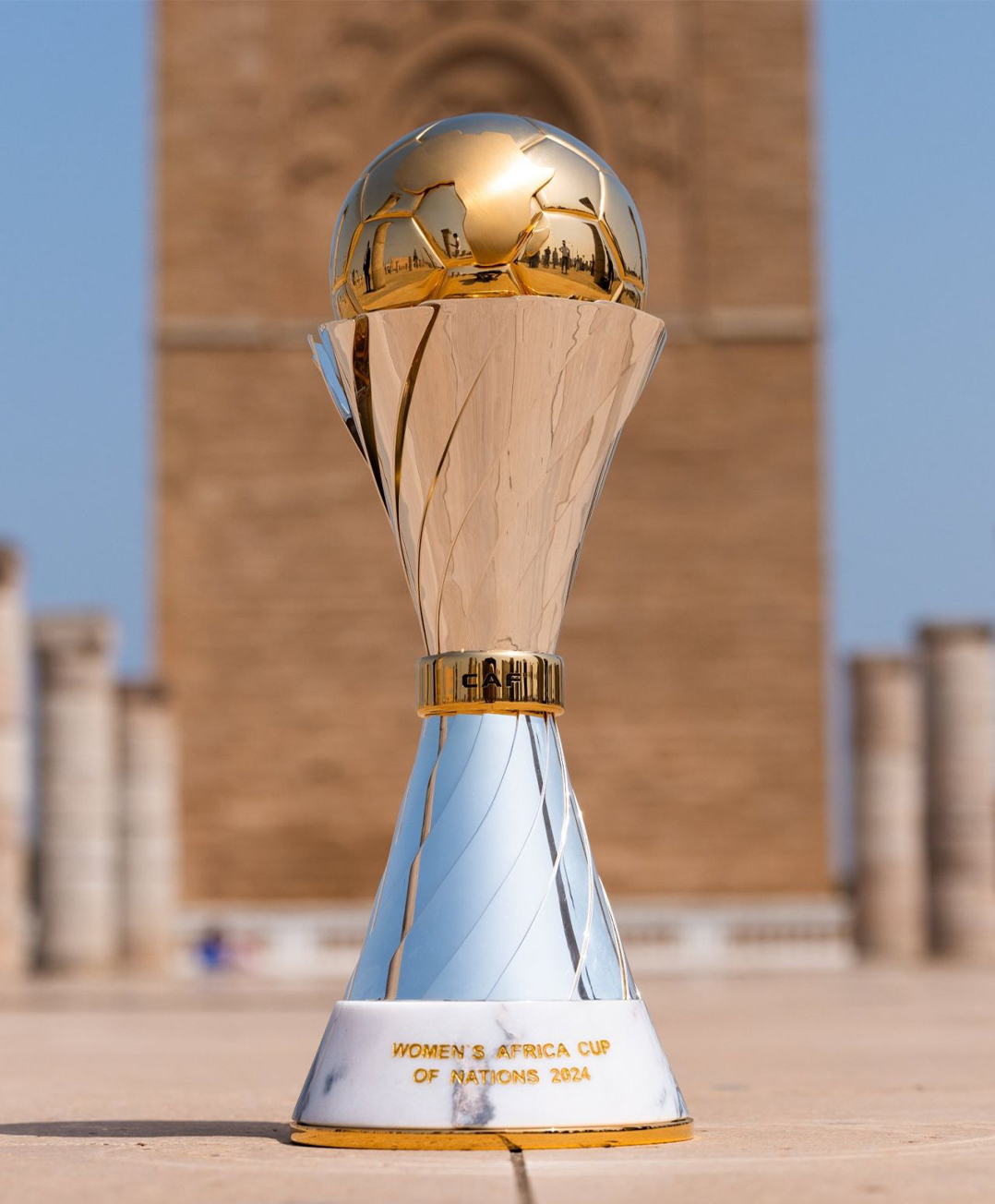
WAFCON 2025: A New Era for Women’s Football in Africa
The Women’s Africa Cup of Nations (WAFCON) 2025 is capturing global attention, showcasing a significant 45% increase in prize money, unprecedented attendance at federation games, and substantial investments in women’s football across the continent. These developments indicate a pivotal time in the evolution of the sport, as African women’s football moves into an era that many believe is long overdue.
Significant Developments in WAFCON 2025
As the tournament kicked off on July 5, history was made: a new trophy, record attendance figures, and a remarkable boost in prize money reflect an ongoing transformation within African women’s football.
- Increased Prize Money: This year’s competition features total prize money of US$1 million for the champions, doubling the previous amount.
- Player Participation: Over 150,000 female players are now registered throughout Africa, with nearly 8,000 female referees contributing to the sport.
Citing these advancements, CAF President Patrice Motsepe emphasized, “This tournament is not just about football. It is about visibility, legitimacy, and economic inclusion for African women in sport.”
Strengthening Communities Through Football
National federations are increasingly recognizing the importance of investing in women’s teams. For instance, Nigeria’s Super Falcons, despite ongoing pay disputes, have vibrant media coverage as they enter the tournament as defending champions. Meanwhile, Zambia’s Copper Queens, featuring stars like Barbra Banda and Racheal Kundananji—both recently transferred to major clubs—exemplify the region’s rising talent.
Banda’s record transfer to Orlando Pride for US$860,000 highlights the growing international interest in African players. Together, Banda and Kundananji played crucial roles in Zambia’s qualification journey.
Growing Popularity of Women’s Football
In Uganda, the Finance Trust Women’s Super League has experienced a surge in viewership following a significant sponsorship of UGX 2 billion (approximately US$540,000) that facilitated weekly livestreams. Viewer numbers have skyrocketed from fewer than 10,000 to between 50,000 and 100,000 for key matches.
- Infrastructure Development: Funding improvements in coaching and facilities have resulted in increased participation, with registered players rising from under 100 in 2014 to over 6,500 in 2025.
Kenya’s national team is also achieving success, with the Harambee Starlets securing their spot in WAFCON 2026’s qualifying final round, marking a 19-year victory drought in North Africa.
Grassroots Initiatives and Long-Term Vision
North African nations are laying the groundwork for future talent through grassroots academies. Algeria recently inaugurated its first FIFA Arena mini-pitch, bolstered by a US$4.2 million investment from FIFA. Tunisia is similarly enhancing its youth development programs with funds from the FIFA Talent Development Scheme.
Morocco, continuing to host WAFCON, is enhancing its football framework with the establishment of a new national women’s academy and appointments like that of World Cup-winning coach Jorge Vilda.
The Tournament Experience: Community Engagement
Crowds in Moroccan cities like Casablanca and Rabat have matched traditional men’s tournaments. The atmosphere is electrifying, with families attending matches in record numbers. Fatima Zahra, a fan from Fez, remarked, “I’ve never seen this many families attending a football match together. This feels like our game now.”
The tournament’s inaugural match between Morocco and Zambia showcased thrilling football, ending in a 2–2 draw, demonstrating both teams’ determination and skill.
Looking Ahead: Future of Women’s Football in Africa
With essential support from corporate sponsors like TotalEnergies and significant investments in sports infrastructure, WAFCON is positioned to serve as a catalyst for broader reforms. CAF has announced plans to alternate between men’s and women’s tournaments yearly, enhancing visibility and opportunities for female athletes.
“We’re still far from equality, but moments like this reshape the narrative,” Moroccan striker Ibtissam Jraidi stated. “It’s no longer a question of whether women belong in African football. We are here. We are the future.”
